
How to Floss with Braces in Madison and Huntsville, AL
Do you still confuse how to floss with braces in Madison and Huntsville, AL? Cleaning around brackets and wires can feel tricky, especially when you’re new to braces. Keep reading to learn easy, dentist-approved ways to floss with braces in Madison and Huntsville, AL, so you can keep your smile clean and bright.
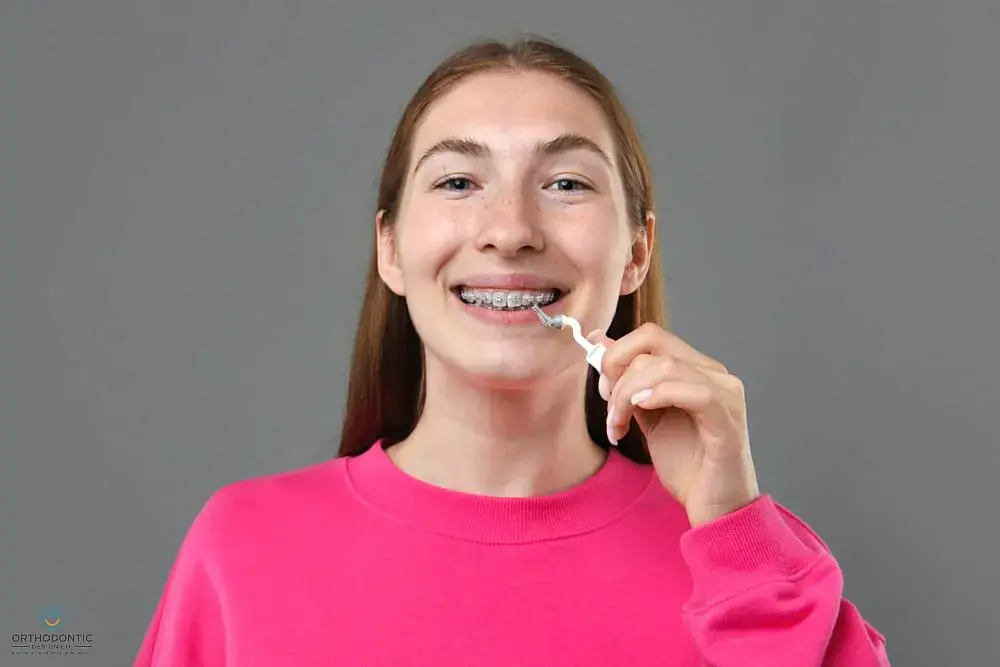
Understanding the Importance of Flossing with Braces
Braces help straighten teeth, but they also make maintaining oral hygiene more difficult. Food particles and plaque stick to places like brackets and wires. Without regular cleaning, buildup can turn into tartar and cause gum disease, tooth decay, and other issues. While brushing removes surface dirt, it doesn’t clean those hidden spots. That’s why flossing is essential; it reaches areas your toothbrush can’t. When your gumline is clean, your braces work better. Healthy gums also help prevent uncomfortable swelling or irritation during your orthodontic treatment.
Best Tools for Flossing with Braces
The right tools make all the difference when it comes to keeping your braces clean. These are the top tools orthodontists recommend:
Floss Threader
A floss threader is like a sewing needle that helps guide dental floss under your wires. This tool makes it easy to clean between your teeth without damaging the braces. Many orthodontists, like OrthoDesign Co. in Madison and Huntsville, AL, encourage patients to use threaders as part of their oral hygiene regimen.
Water Flossers
Water flossers are becoming a favorite among Huntsville residents with braces. These devices use water pressure to clean between teeth and around brackets, making them ideal for people who struggle with traditional flossing. As Dr. Marty Greenberg, a professional orthodontist in Jacksonville, FL, recommends, water flossers for their ability to effective in removing food debris and plaque, especially in areas that are difficult to access with braces.
Superfloss
Superfloss has both stiff and spongy sections, making it a popular option for braces wearers. The stiff end slides easily under wires, while the spongy floss cleans hard-to-reach areas.
Interdental Brush
An interdental brush, or proxabrush, is small enough to fit between teeth and brackets. It’s especially good for removing stuck food particles and plaque from tight spaces.
Floss Picks
Floss picks are handy tools that combine a handle with a short strand of floss. They are easy to use and perfect for quick cleanup, making them a good choice for people on the go.
Where to Get These Tools
You can purchase floss threaders, water flossers, and other cleaning aids at most drugstores or online. OrthoDesign Co. also offers hygiene products and starter kits to help patients maintain proper oral health. Ask your orthodontist for recommendations if you’re unsure which tools to use.
How to Floss with Braces: Step-by-Step Guide
Flossing with braces doesn’t have to be difficult. Follow these four steps for a smoother routine:
Step 1: Prep the Floss
Start by cutting about 18 inches of floss. Use a floss threader to guide it under the braces’ wires. Hold the floss tight between your fingers to keep it steady while you work. Take your time and move slowly to avoid pulling on your braces or hurting your gums.
Step 2: Clean Each Tooth
Wrap the floss in a “C” shape around one tooth at a time. Gently move it up and down, cleaning along the gumline to remove stuck food particles and plaque. Be careful not to pull too hard or snap the floss—it could hurt your gums or damage the brackets.
Step 3: Use a Water Flosser for Extra Cleaning
If some spots feel hard to clean, reach for your water flosser. Direct the stream at areas like the back teeth, brackets, and under wires to flush out debris. Move the flosser slowly along your gumline for the best results.
Step 4: Brush Your Teeth
After flossing, use a soft-bristle toothbrush and fluoride toothpaste to brush your teeth. Focus on cleaning around brackets and wires with circular motions. Rinse with a fluoride mouthwash when you’re done.
Flossing Tips Based on Brace Types
Different braces may require specific flossing approaches:
- Metal Braces: Be patient and use a floss threader thoroughly.
- Clear Braces: Floss carefully to avoid scratching or cracking the brackets.
- Lingual Braces: Braces behind the teeth can be tricky; a proxabrush or water flosser works best.
- Self-Ligating Braces: These braces are easier to clean but still require attention to prevent tooth decay.
Common Problems and Solutions
Sensitive Gums
Flossing may irritate your gums at first. To ease discomfort, rinse your mouth with warm saltwater. Over time, gentle flossing will improve gum health and reduce sensitivity.
Hard-to-Reach Areas
If flossing feels impossible in tight spaces, use a water flosser or an interdental brush to clean these spots. These tools can reach places regular floss misses. They also make cleaning faster and easier, especially around braces or back teeth.
String Floss Frustration
Tired of threading floss? Try using floss picks or pre-threaded flossers to save time and effort. They are simple to hold and great for people who find string floss tricky. Using them daily helps keep your teeth and gums healthy with less hassle.
Oral Hygiene After Braces
When your braces come off, keeping your oral health in check is just as important. Stick to these habits:
- Clean Your Retainer: Wash your retainer daily to prevent plaque and bacteria buildup.
- Floss Daily: Keep flossing regularly to avoid gum disease.
- Brush the Right Way: Brush for two minutes twice daily with fluoride toothpaste. Pair brushing with regular checkups at your dentist’s office to maintain a healthy smile!
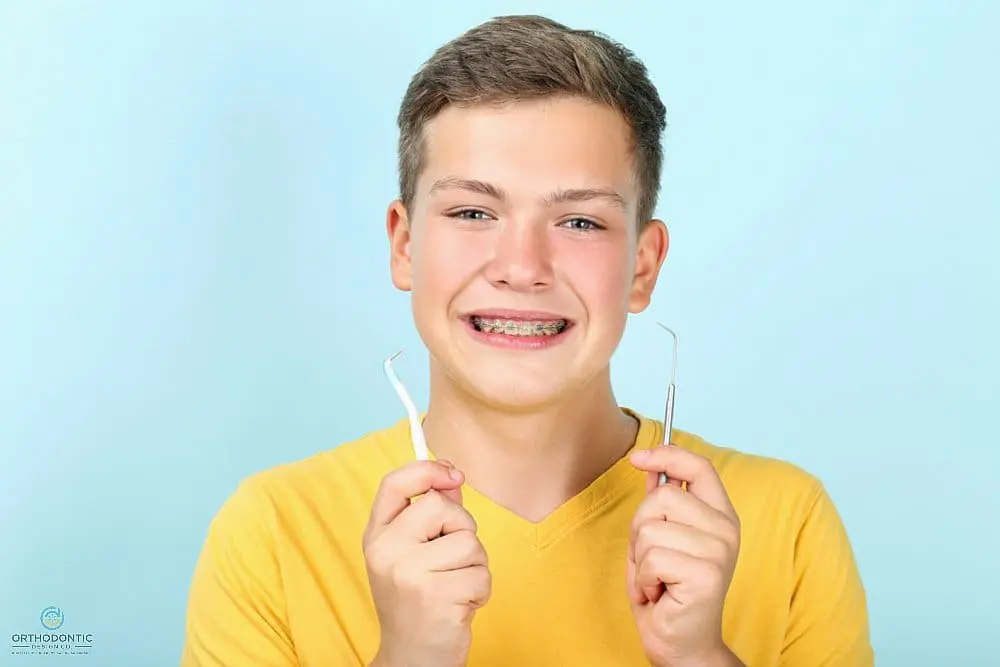
Professional Support for Exceptional Care
OrthoDesign Co. in Madison and Huntsville is here to make your braces experience stress-free. Their team provides:
- Flossing Techniques: Learn easy methods to clean braces during your appointments.
- Dental Cleaning Starter Kits: Get everything you need, including floss threaders and other tools.
- Expert Advice: Find solutions for issues like gum disease, tartar, or tooth decay prevention.
Keep Your Braces Clean and Your Smile Healthy
Flossing with braces doesn’t have to be a struggle. At OrthoDesign Co., we’ll show you the best tools and techniques to keep your teeth and gums healthy throughout treatment.
Schedule your orthodontic visit today and get expert guidance on caring for your smile while wearing braces.
About The Authors
Dr. Adam Reynolds – Orthodontist in Madison and Huntsville, AL
Dr. Marty Greenberg – Orthodontist in Jacksonville, FL
Frequently Asked Questions
How long can I go without flossing with braces?
Flossing with braces can be tricky, but try not to skip it for too long. Ideally, you should floss every day to keep your teeth and gums healthy. If you miss a day, don’t go more than a couple of days without it, since braces trap food easily. Special tools like floss threaders or orthodontic flossers can make the job much easier, so your smile stays clean and fresh.
How can I tell if I’m flossing correctly?
You’ll know you’re flossing properly if the floss gently slides along your teeth and makes a light squeaking sound. Be sure to curve the floss in a C-shape around each tooth and move it up and down instead of snapping it. A little gum tenderness at first is normal, but there shouldn’t be heavy bleeding.
Does flossing speed up braces?
Flossing doesn’t directly make braces work faster, but it does keep your teeth and gums healthy, which supports your treatment overall. Healthy gums respond better to orthodontic movement, and flossing also prevents food and plaque buildup around brackets. So while it won’t shorten your timeline, it definitely helps your braces do their job effectively and keeps your smile looking great along the way.
Love Your Care, Love Your Smile

© 2026 Orthodontic Design Co., led by top-rated orthodontist Dr. Adam Reynolds, proudly offers braces, Invisalign, and personalized orthodontic care in Madison and Huntsville, AL. Our mission is to create beautiful, healthy smiles using cutting-edge techniques and compassionate service.
Privacy Policy | Accessibility Statement
Friday: 8:30 am – 4:00 pm
Saturday & Sunday: Closed
Online Service Hours
Monday - Friday: 7:00 am – 7:00 pm
Saturday & Sunday: 7:00 am - 5:00 pm
Powered by Orthodynamo Orthodontic Marketing