

Children’s Orthodontist in Madison or Huntsville, AL

Give Your Child A Lifetime of Smiles
A well-aligned set of teeth and jaws is essential for your child’s smile. Although the best age for orthodontic treatment may vary, Dr. Adam Reynolds and the American Association of Orthodontists recommend scheduling the first visit by age seven.
What is Early Treatment?
At Orthodontic Design Co., early intervention can help identify and tackle potential dental issues before they fully manifest, minimizing the likelihood of complex or costly treatments in the future. Additionally, Dr. Adam Reynolds often achieve favorable outcomes more easily during periods of ongoing facial and jaw development.
When is The Best Time for Treatment?
Planning an initial orthodontic consultation at age 7 is ideal. While the age for braces might be different, orthodontic procedures in Madison or Huntsville, AL tend to start between ages 9 and 14, as early treatment for issues like underbites is most effective by age 7.
Role of A Children’s Orthodontist
Importance of Early Orthodontic Intervention
Identify dental issues early with proactive orthodontics treatment to avoid extensive problems down the road. Benefits include:
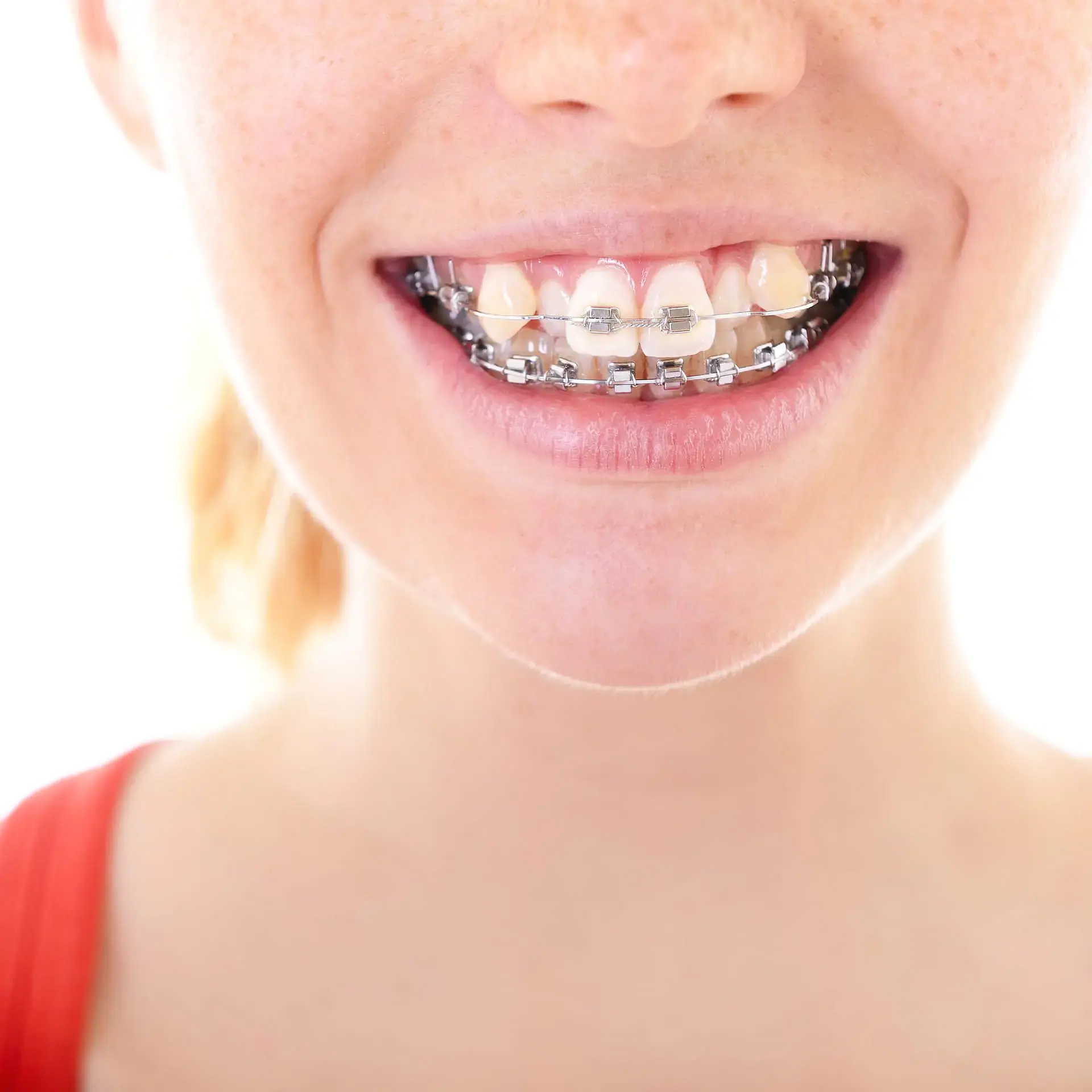
Implementing proper dental care lays the groundwork for a healthy, attractive smile, which can enhance self-confidence and create lasting positive impressions.
Addressing dental concerns proactively can save time, money, and discomfort, all while boosting overall confidence.
Well-aligned teeth are easier to clean, greatly reducing the risk of cavities and gum disease, which contributes to better long-term oral health.
Benefits of Children’s Orthodontic Treatment
Understanding Children’s Orthodontic Treatment
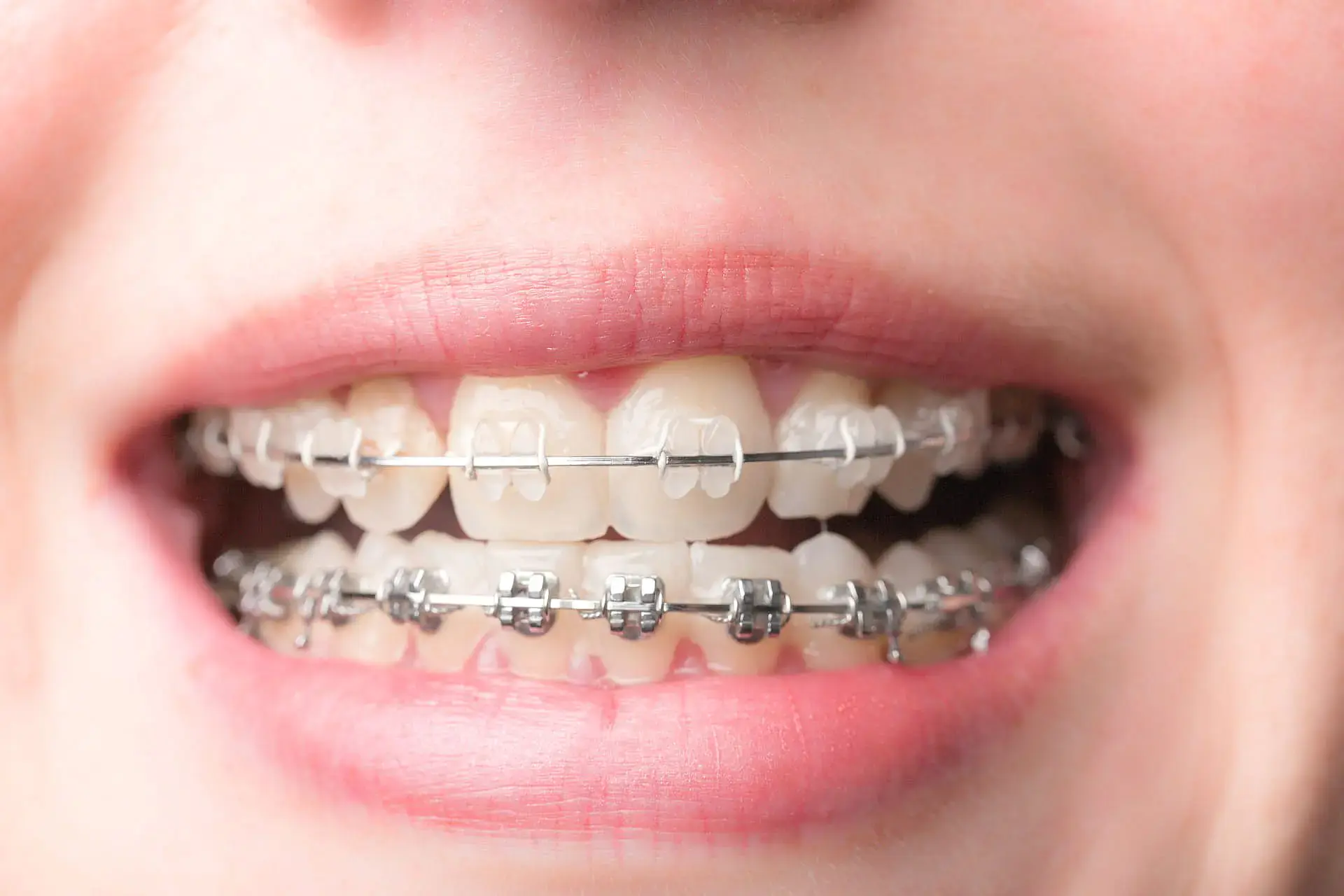
Metal brackets and wires are used to correct a variety of misalignments.
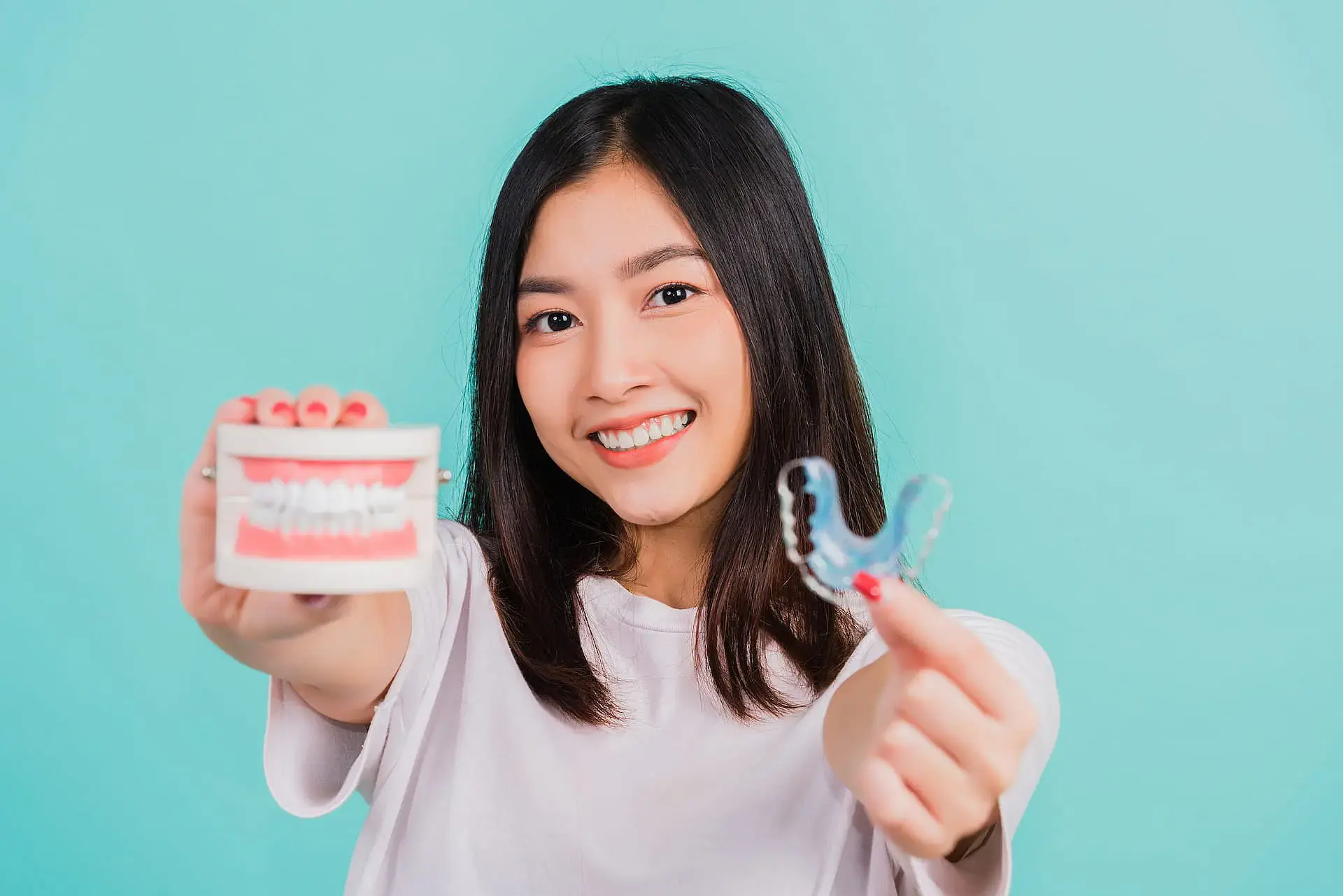
Clear trays that gradually shift teeth into their proper positions over time.
Devices that help stabilize teeth after treatment to ensure lasting alignment.
Appliances are designed to preserve open spaces when a baby tooth is lost prematurely.
Importance of Early Evaluation
By the age of seven, children should receive an orthodontic evaluation to assess any issues related to crowding, alignment, or bite irregularities. Early detection helps reduce the risk of complications later on.

Treatment Process

Consultation
The initial evaluation includes X-rays and impressions to assess the child’s orthodontic needs.
Appliance Placement
Orthodontic devices are fitted according to the treatment requirements.
Follow-ups
Regular monitoring visits are scheduled to check progress and make necessary adjustments.
Retention
Retainers are provided to prevent any relapse after the completion of treatment.
Appointment Duration and Frequency
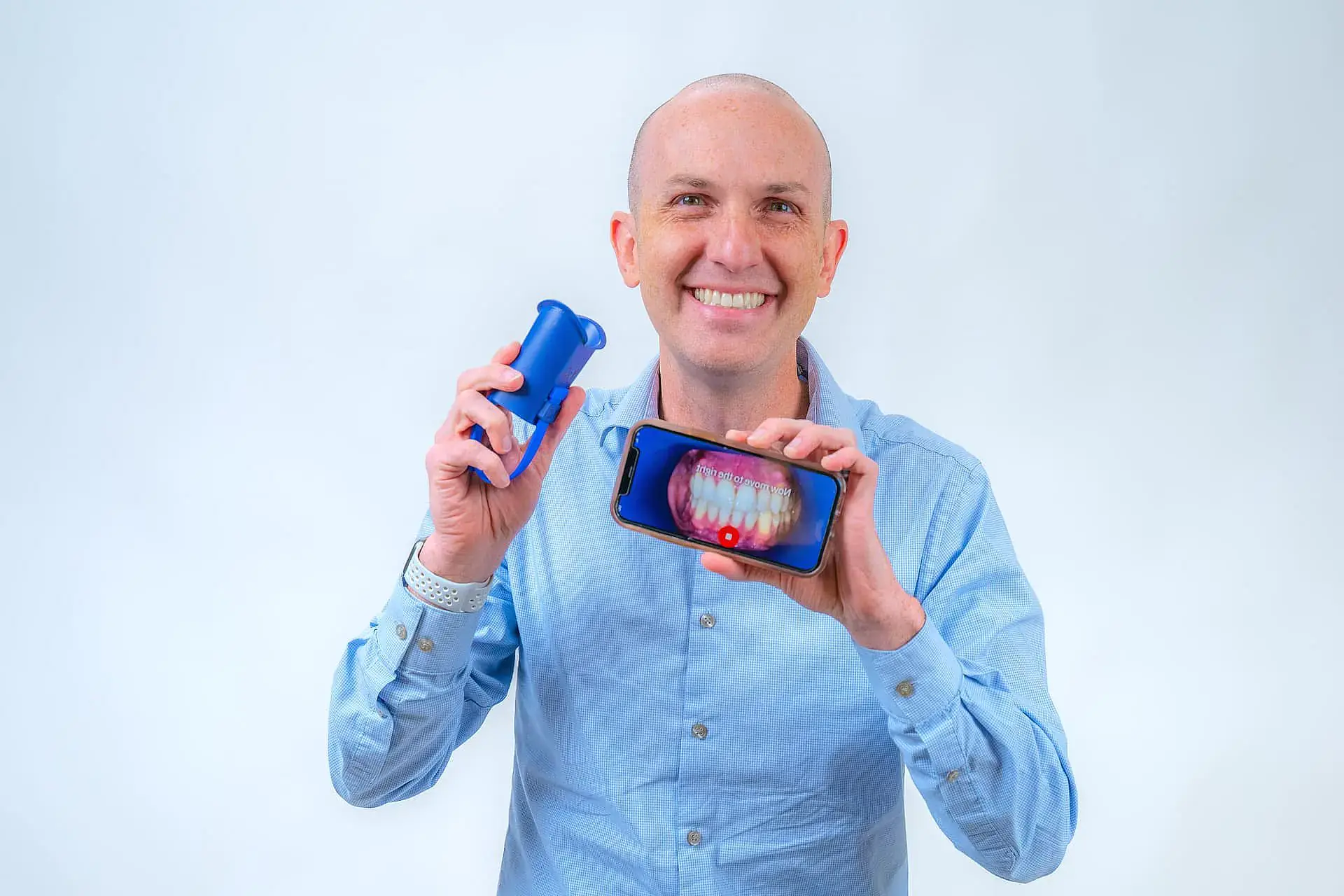
Appointment frequency is determined by the severity of the misalignment and the type of appliance used. Generally, braces need adjustments every 4 to 6 weeks, while aligners are changed every two weeks. Each session typically lasts between 30 to 60 minutes, and the overall treatment duration can range from six months to three years, depending on individual needs.
Common Orthodontic
Issues in Children
Overbite, Underbite, Crossbite, and Spacing Problems
 Overbite: The upper teeth overlap the lower jaw too far.Underbite: The lower teeth extend past the upper teeth, causing uneven wear and chewing problems.Crossbite: Misalignment with some upper teeth sitting behind lower teeth that can lead to uneven biting.Spacing Problems: Issues such as crowding or excessive gaps can lead to complications in oral health and functionality.
Crooked or Misaligned Teeth
This problem is frequently hereditary but can also stem from habits like thumb sucking or injuries. Untreated misalignments complicate cleaning, raising the risk of dental diseases.
Crowding or Spacing Issues
Crowding occurs when there isn’t enough room for all teeth, while spacing gaps can lead to food buildup and subsequent decay.
Thumb Sucking and Other Oral Habits
Prolonged thumb sucking and other oral habits may alter the shape of the upper jaw and misalign the teeth.
Orthodontic Treatment Options for Children

Traditional Braces
Traditional braces have been a cornerstone of orthodontic care for decades and continue to be the most common treatment.
Components
Brackets, archwires, and elastic ties.
Advantages
Reliable for severe adjustments across various issues.

Clear Aligners
Clear aligners represent a contemporary alternative to traditional braces.
How They Work
Gradual pressure shifts teeth into alignment.
Advantages
Removal for meals and cleaning, discreet appearance, and simple maintenance.
Functional Appliances
Functional appliances are designed to address issues related to jaw growth, and suggested for children and adolescents.
Purpose
Address jaw growth problems in growing children or teenagers.
Benefits
Enhances jaw function and helps boost facial symmetry.

Retainers
Retainers are essential to help prevent any shifting back to original alignments.
Purpose
Maintain alignment after treatment.
Types
Removable or permanent retainers based on individual needs.

Importance of Early Orthodontic Care
Early orthodontic treatment targets dental issues while a child’s jaw is still developing, helping to prevent more serious problems in the future. Starting treatment early can avoid severe complications, enhance appearance, and promote better oral health. For children aged 6 to 10, this is the optimal time to address issues like crossbites and crowding, as the jaw continues to grow. By ages 11 to 15, when most permanent teeth have emerged, braces can effectively correct alignment concerns.
Choosing the Right Pediatric Orthodontist
When choosing an orthodontist for your child, it’s essential to evaluate their qualifications and experience to ensure they meet your family’s needs. Look for an orthodontist with specialized training in orthodontics and substantial experience in treating children. Besides professional qualifications, consider practical factors such as the office location, convenient hours that fit your schedule, and the overall cost of treatment, including payment plans or insurance options. Taking the time to research and choose the right orthodontist ensures your child receives high-quality care in a supportive and comfortable environment.

FAQ
What age should a child see an orthodontist?
By the age of seven, all children should have an evaluation with a qualified orthodontist. This initial visit does not necessarily mean immediate treatment but allows the orthodontist to monitor the child’s jaw and tooth development over time, identifying any potential issues early.
Can a 6-year-old see an orthodontist?
Yes, a 6-year-old can see an orthodontist. Early evaluations are beneficial as they can identify developing problems, allowing for proactive measures to prevent more serious issues as the child grows.
How painful are braces for kids?
Braces for kids may cause mild discomfort or soreness, especially when first applied or after adjustments. This occurs as the braces work to realign the teeth. However, this discomfort usually subsides within a few days and can be managed with over-the-counter pain relief and soft foods. As their mouths adjust, children often hardly notice the braces, making the experience manageable and temporary.
Love Your Care, Love Your Smile

© 2026 Orthodontic Design Co., led by top-rated orthodontist Dr. Adam Reynolds, proudly offers braces, Invisalign, and personalized orthodontic care in Madison and Huntsville, AL. Our mission is to create beautiful, healthy smiles using cutting-edge techniques and compassionate service.
Privacy Policy | Accessibility Statement
Friday: 8:30 am – 4:00 pm
Saturday & Sunday: Closed
Online Service Hours
Monday - Friday: 7:00 am – 7:00 pm
Saturday & Sunday: 7:00 am - 5:00 pm
Powered by Orthodynamo Orthodontic Marketing